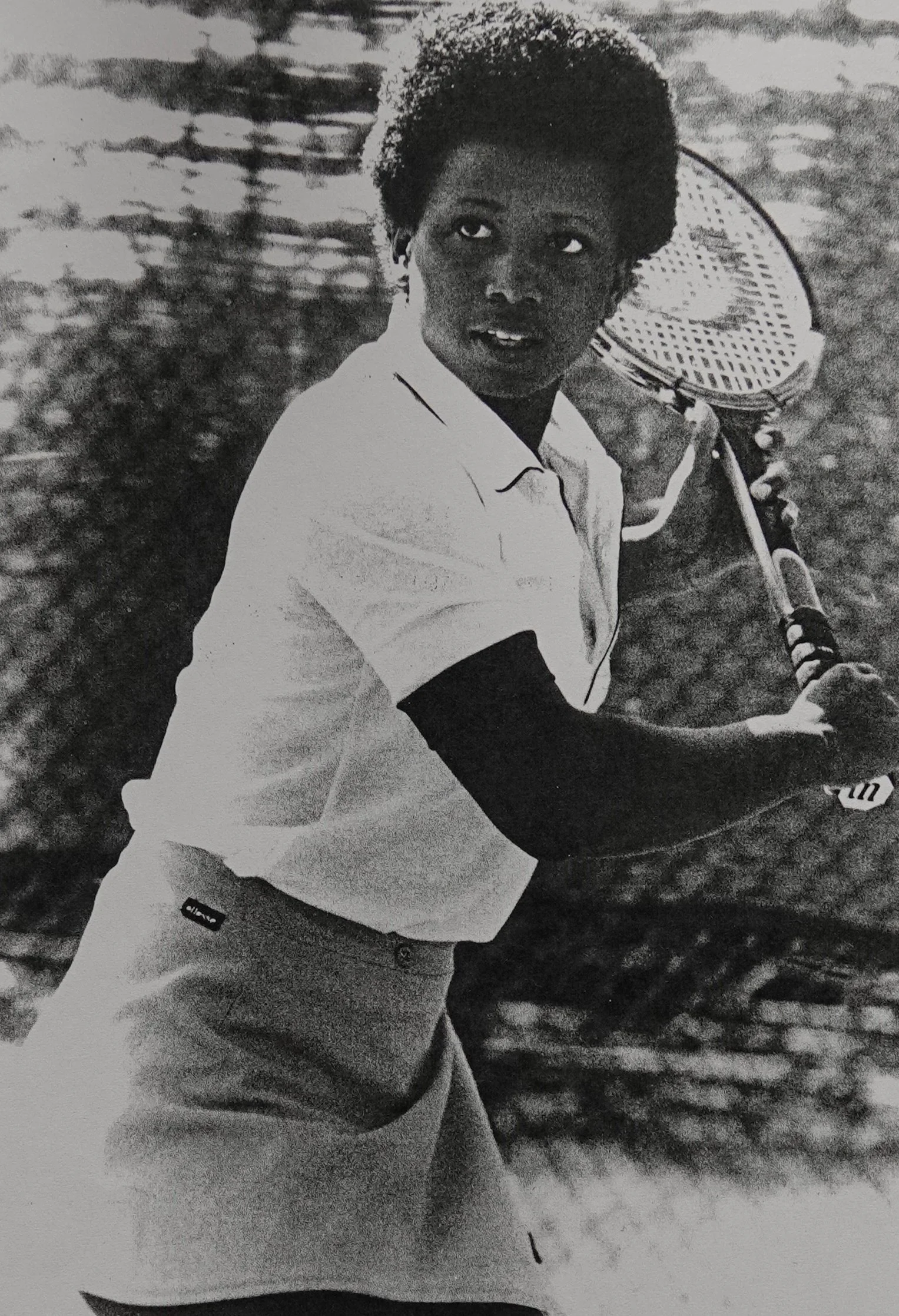
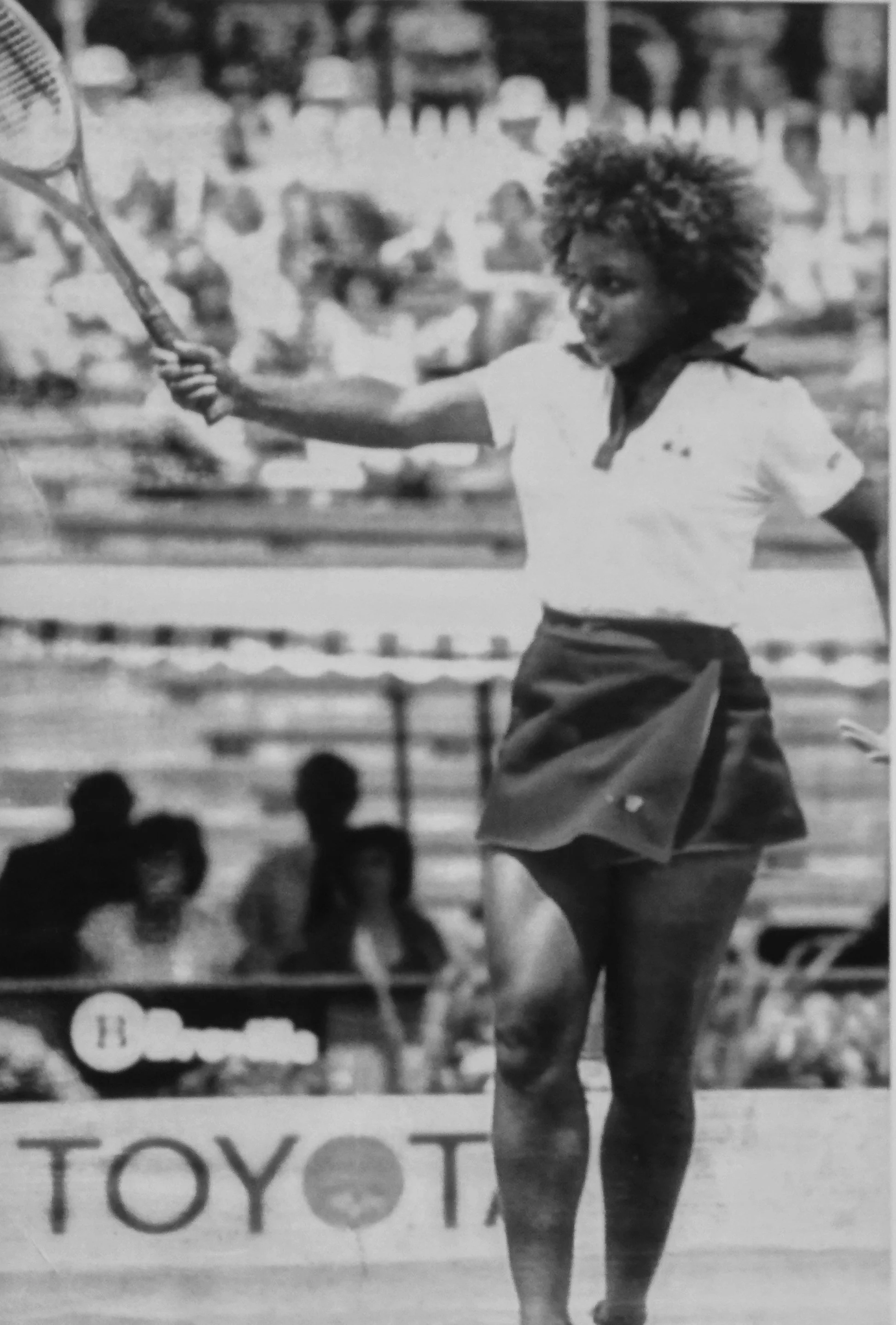
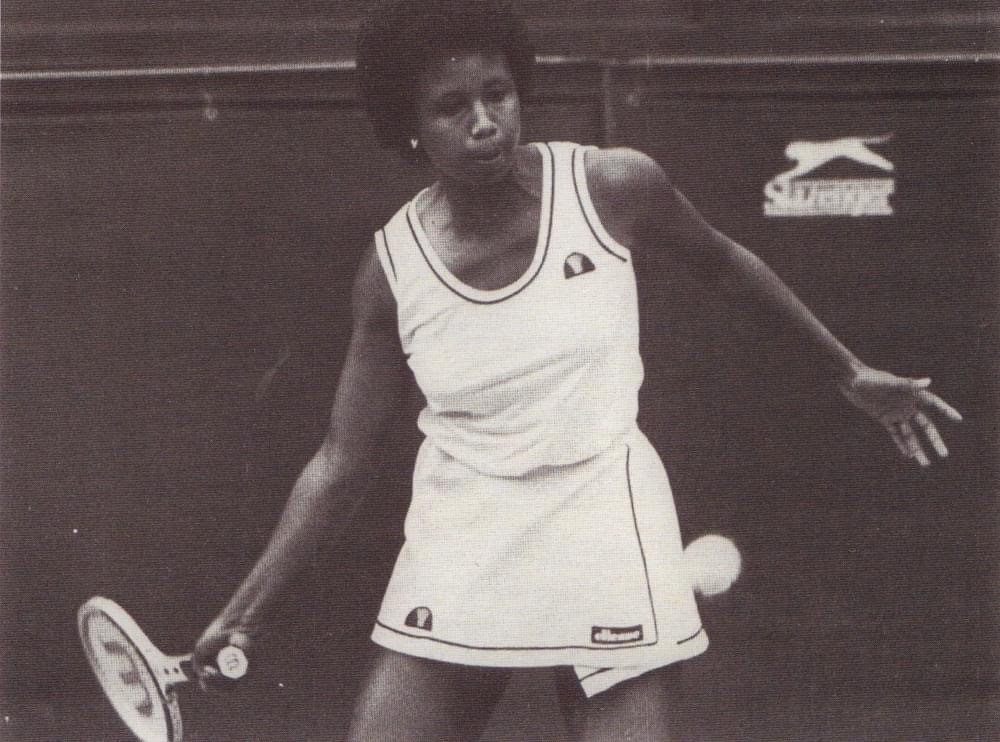
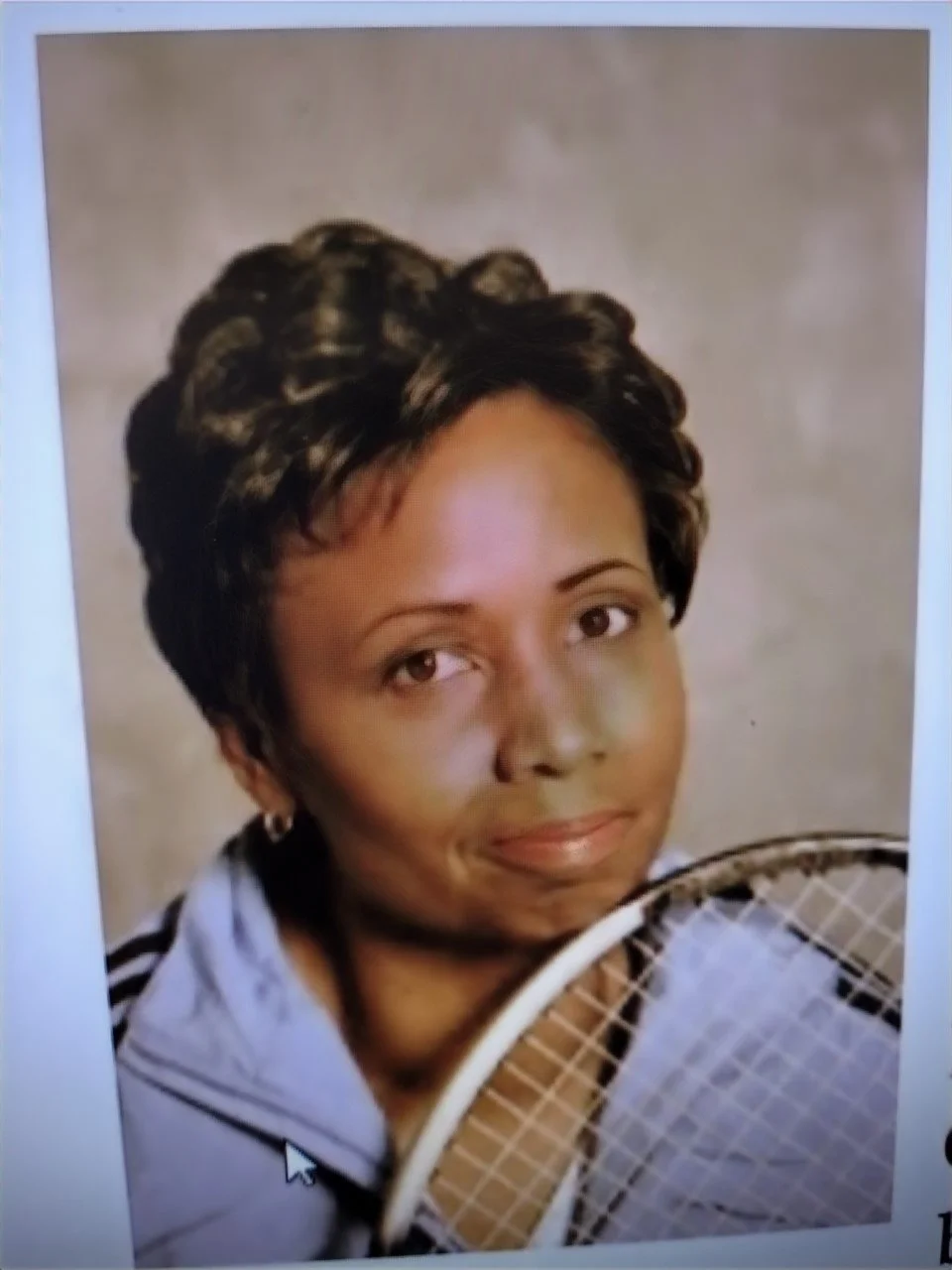
Renée Blount didn't just break barriers. She bulldozed them.
Her father was a surgeon, one of the few Black doctors in St. Louis, and a civil rights leader in his own right. When Dr. Martin Luther King Jr. died, the Blount family walked fifth behind his casket.
He gave his daughter a choice of three sports: golf, tennis, or swimming. All three were considered white sports. That was the point. She chose tennis. Her father went looking for a coach. The white pros told him she didn't have what it took. So he kept looking.
He found Richard Hudlin. Hudlin wouldn't let her play a match until she was ready. That meant hitting every day for eight months. One day he took her hand firmly in his. You'd better have yourself together, he told her, because of what you're going to have to face. She didn't know yet what that meant.
She was eleven the first time she found out. In her first real tournament, she played a white girl who brought a crowd. They yelled. They booed. They threw balls at her. She said later it felt like being Jackie Robinson.
Midway through, she turned to leave the court. Her father met her at the gate. Dad, she said, they're screaming at me. They're screaming for me to stop.
Go back, he told her.
At eleven, she had a choice: stay and fight, or cry to her parents and quit. She went back. With tears in her eyes, she beat that girl 6-0, 6-0.
Something in her changed that day. She got angry, and she stayed angry, in a way that turned into fuel. She never wanted to lose again. She didn't. She kept winning. She won so often that one woman told her mother she must be white.
She didn't just beat the best girls. She beat them by a foot. She had no choice. The referees wouldn't call her opponent's balls out even if they landed a foot past the line. Every time she won, she got booed, and her father would have to shield her from the angry crowd. She came back the next day and did it again.
In the summers, it was often just her and her brother Lee. If Hudlin's regimen called for eight hours on court, the two of them would find two or three more once the sun went down, hitting under the headlights their mother shined from the family station wagon.
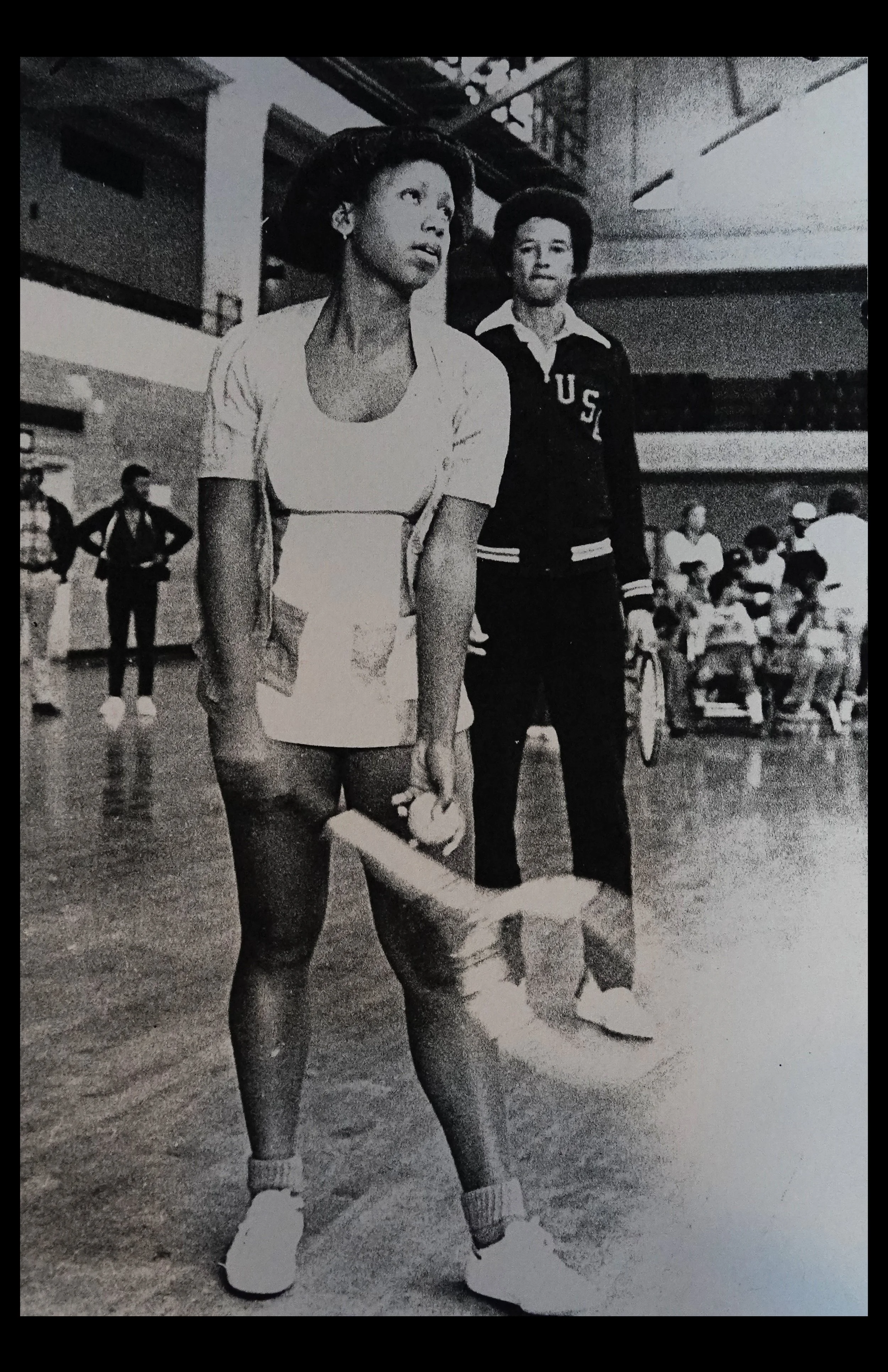
The first time she met Arthur Ashe, she managed only a shaky handshake. He told her to skip the formality. Just call him Art. He asked her what she wanted. Wimbledon, she said. He didn't sugarcoat it: that would take serving 300 balls a day. She served 600.
Years later, she made the Wimbledon main draw. Arthur was there to welcome her to the club.
If Arthur hadn't come before her, she says, hadn't shown her it was possible to face that hostility and still make it, she probably would have given up. He was proof of what was possible.
Ranked number one in the Missouri Valley in the 14s, 16s, and 18s, she was invited to the US Nationals in all three age groups the same year. She played singles for two years on the Hampton University men's tennis team, behind fellow St. Louisan Bruce Foxworth. Then transferred to UCLA, where she was All-American playing number one singles and doubles. She arrived on the professional circuit with something to prove. And she did.
In 1979 in Columbus, Ohio, Renée Blount became the first Black woman to win a professional tennis tournament.
She played Wimbledon five times, reaching the singles final of the Ladies Plate and the doubles quarterfinals. At the French Open she reached the mixed doubles semifinals. She finished ranked 63 in singles, 8 in doubles.
Not long before he died, she told Arthur she was moving to Charlottesville, Virginia, the place he'd left as a teenager. He got quiet. "It meant a lot to him that I was coming back to where he had come from," she recounts. "I think he felt I was returning in his place."
These days, in Virginia, she volunteers with kids through the Boys & Girls Club. It was never about the money, she says. It's about doing something well, and passing it on. She teaches the way Ashe taught her: honest, direct, no sugarcoating.
St. Louis made her. She made history.
(1997)
RENÉE BLOUNT