Earl Buchholz Sr. could sell anything. Lucky for us, he chose tennis.
He was in Arizona visiting friends when a man on a public court asked him for a lesson. Buchholz had played, but never taught. There was no one else around, and he was never one to pass up an opportunity. He said yes. Turns out it was right up his alley. Word spread, and teaching became a good way to make extra money. He was headed to California next, until a friend had a better idea. Go somewhere tennis hasn't caught on yet. Somewhere like St. Louis. So he went.
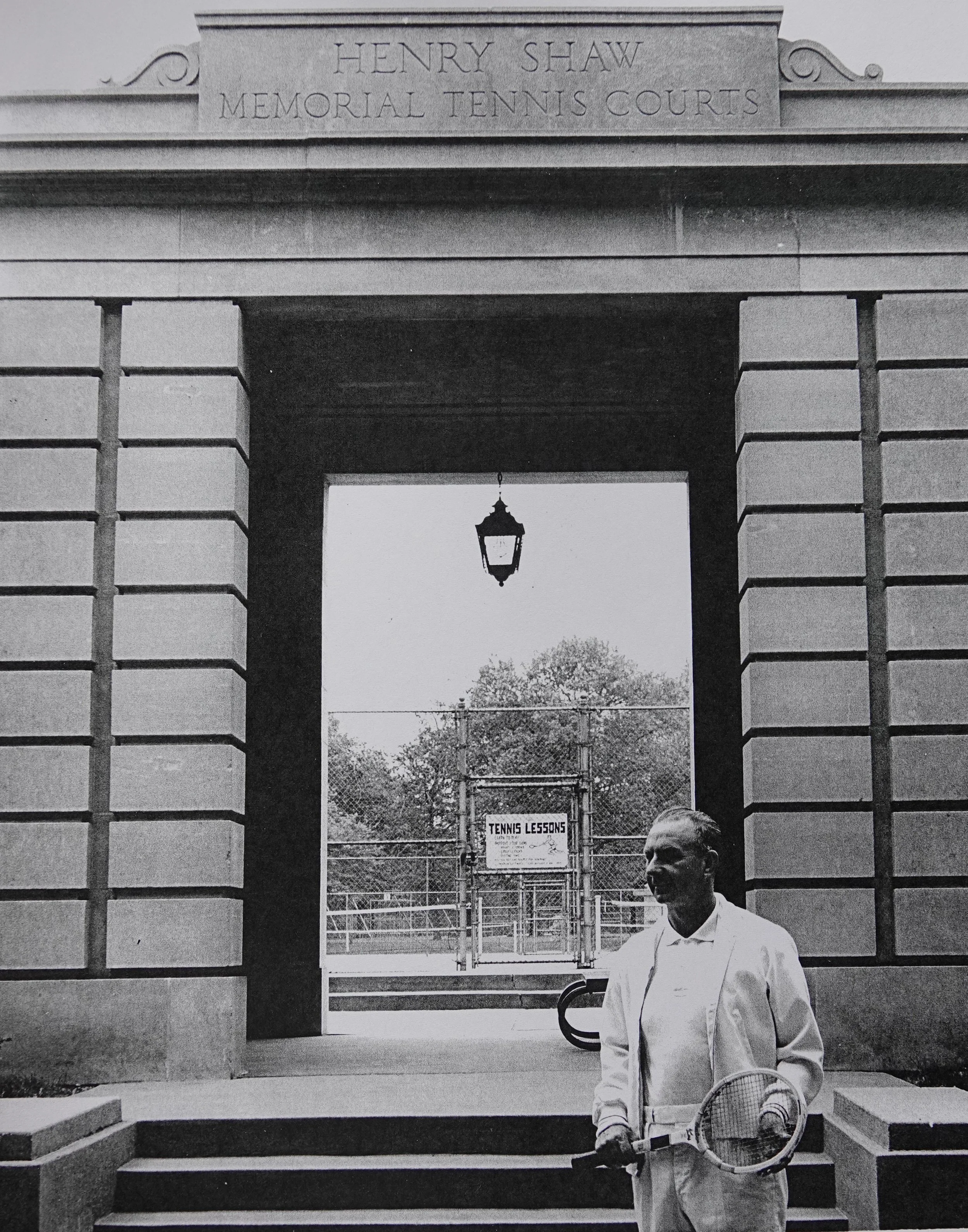
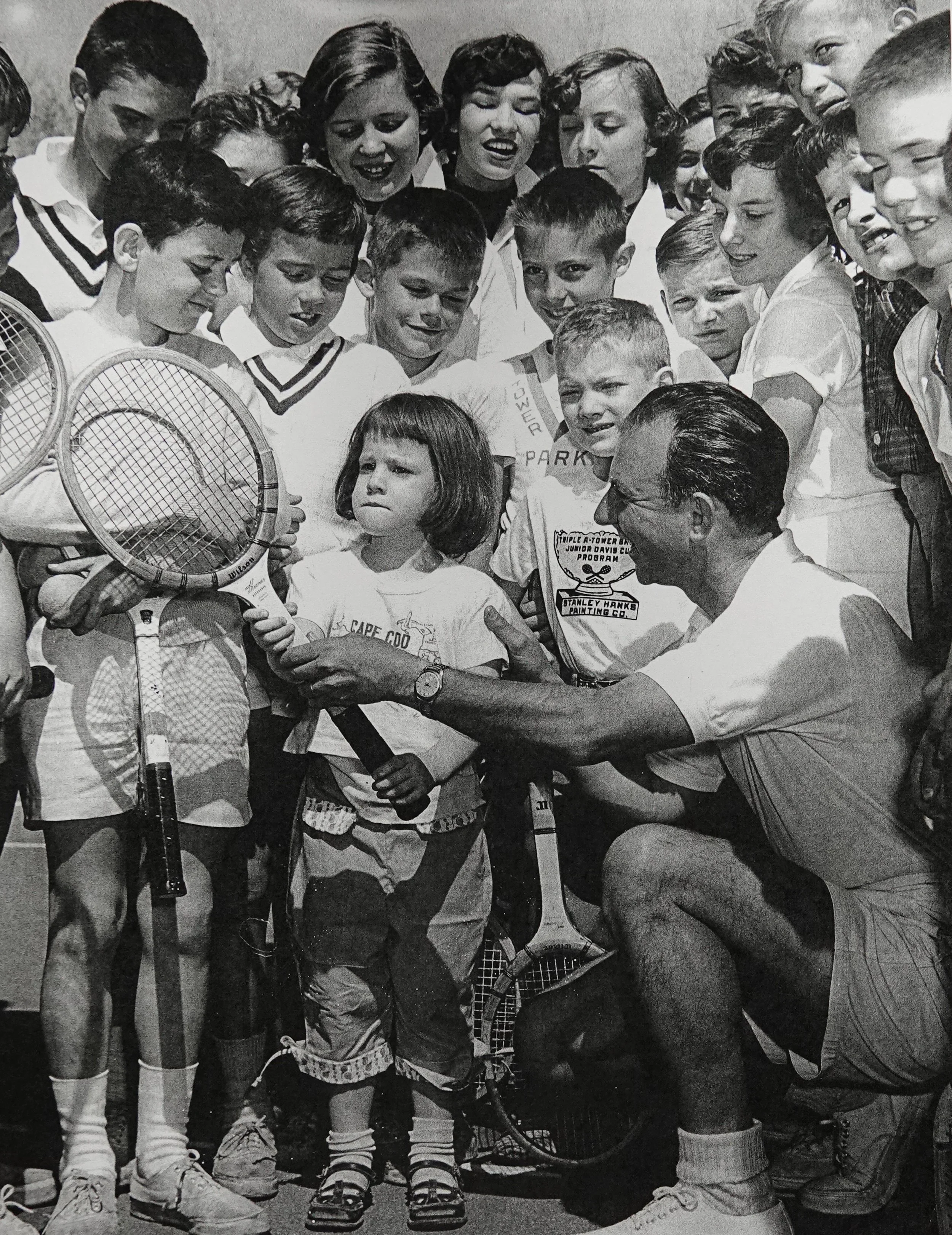
He never stopped. Sherman Park, Forest Park, Tower Grove, sometimes all three in one day, out the door by eight, home past nine. He didn't take no for an answer, and rarely needed to.. A kid on the fence about lessons, a church holding out on gym space, a family unsure they could afford it, he had a way of making it feel like the only reasonable answer was yes.
By 1960, St. Louis was one of the best tennis towns in the country. Seven of his pupils had won more than twenty national championships in five years. Six of the ten nationally ranked players in the city had trained under him.
First he sold joy, the thrill of getting the ball to go exactly where you meant it to. He sold hope, the kind that comes from a kid finding out there's something they're actually good at, something that might take them to college, or beyond. He sold togetherness. He wanted families on the court together, not just kids, more time spent, not less.
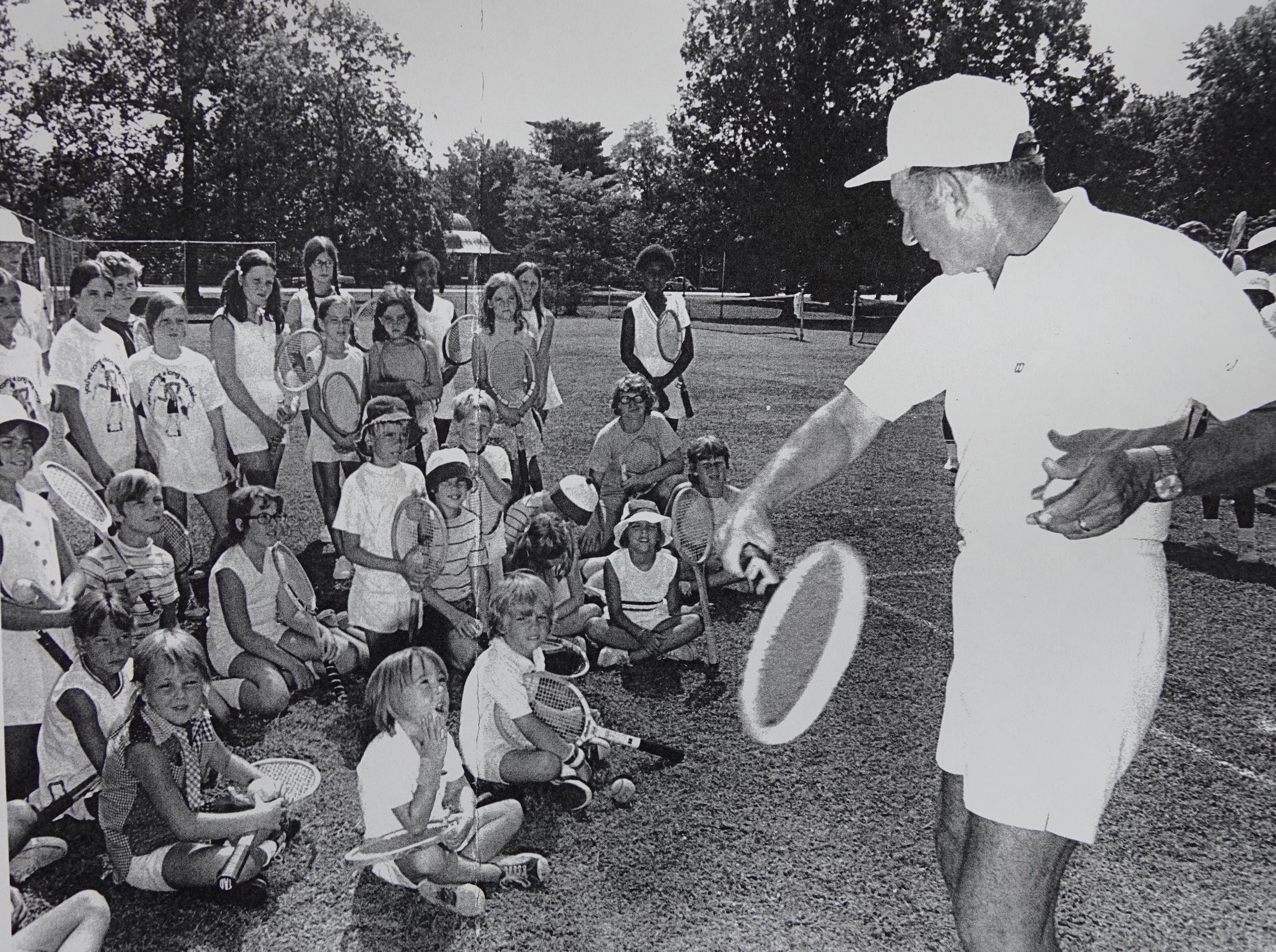
He also sold the importance of community.. He struck a deal with a few churches: lessons and recreation programs for their kids, gym space for his own players, so they could keep hitting through winter instead of waiting for spring. He gave more lessons than anyone else in St. Louis, maybe more than anyone before or since.
It was never about what tennis could do for him. It was about what tennis could do for a kid. Who it could turn them into. What it could show them about themselves.
His own two boys, Butch and Cliff, were living proof.
(1991)
EARL BUCHHOLZ SR.