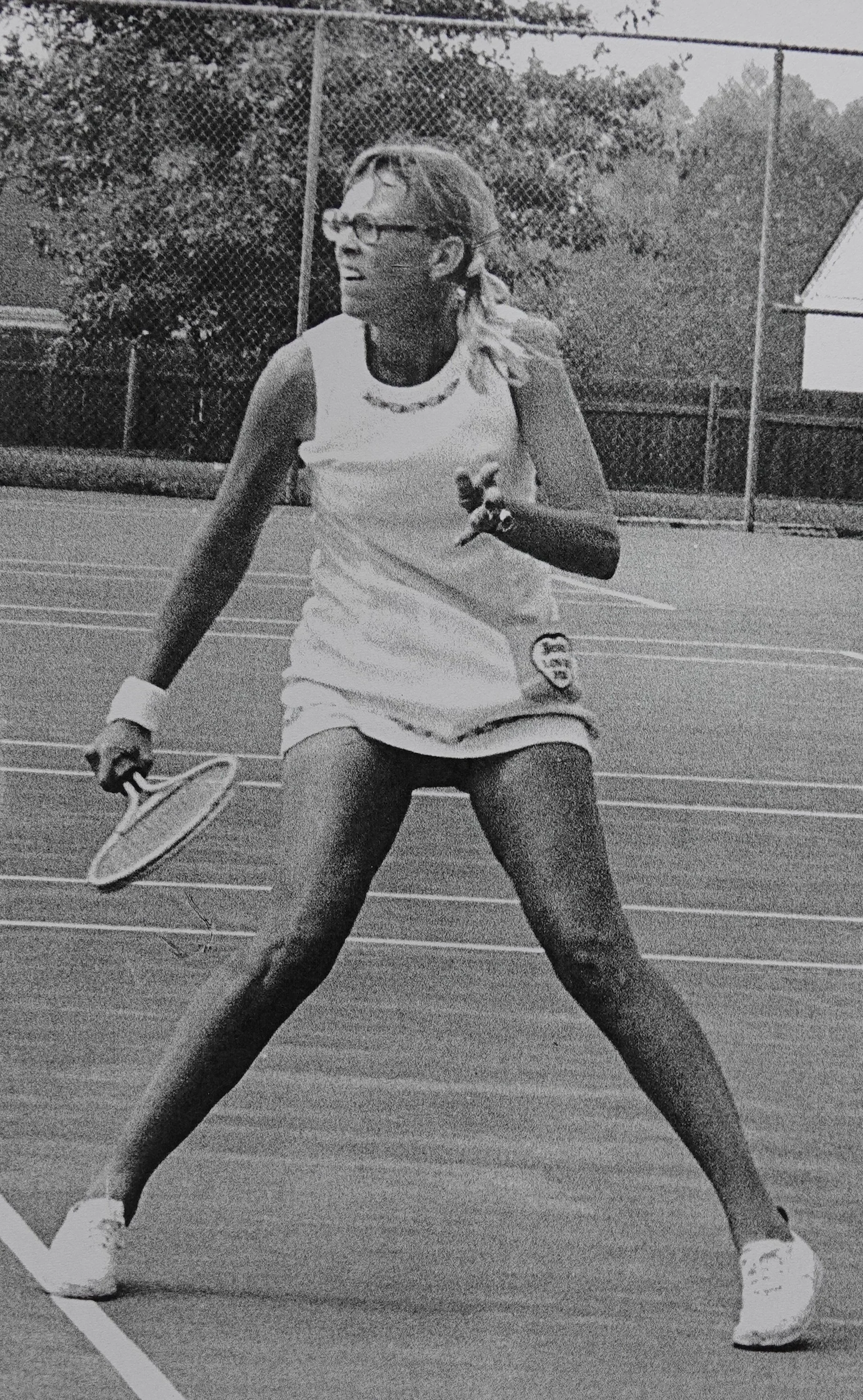
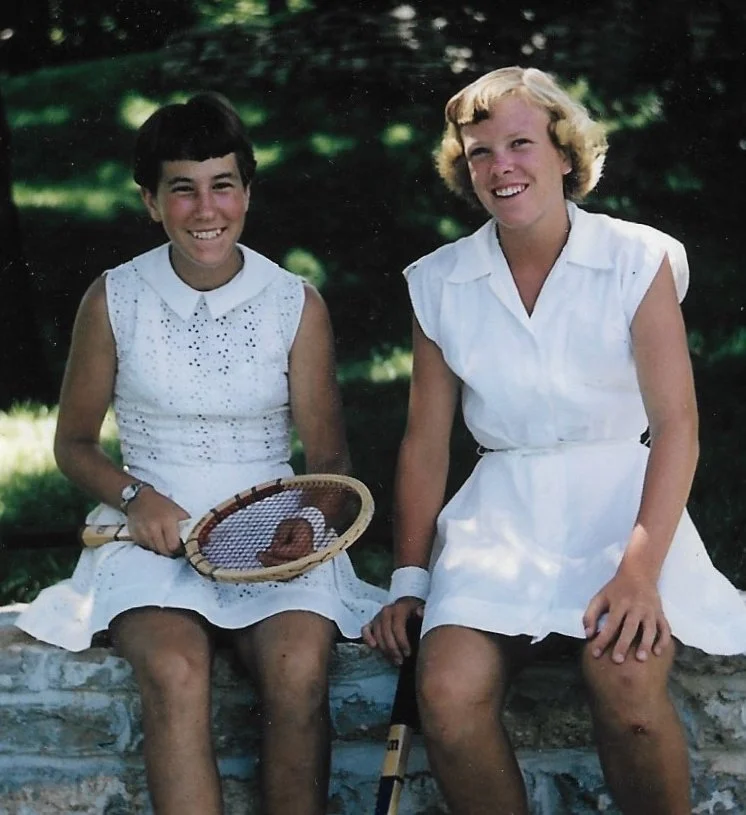
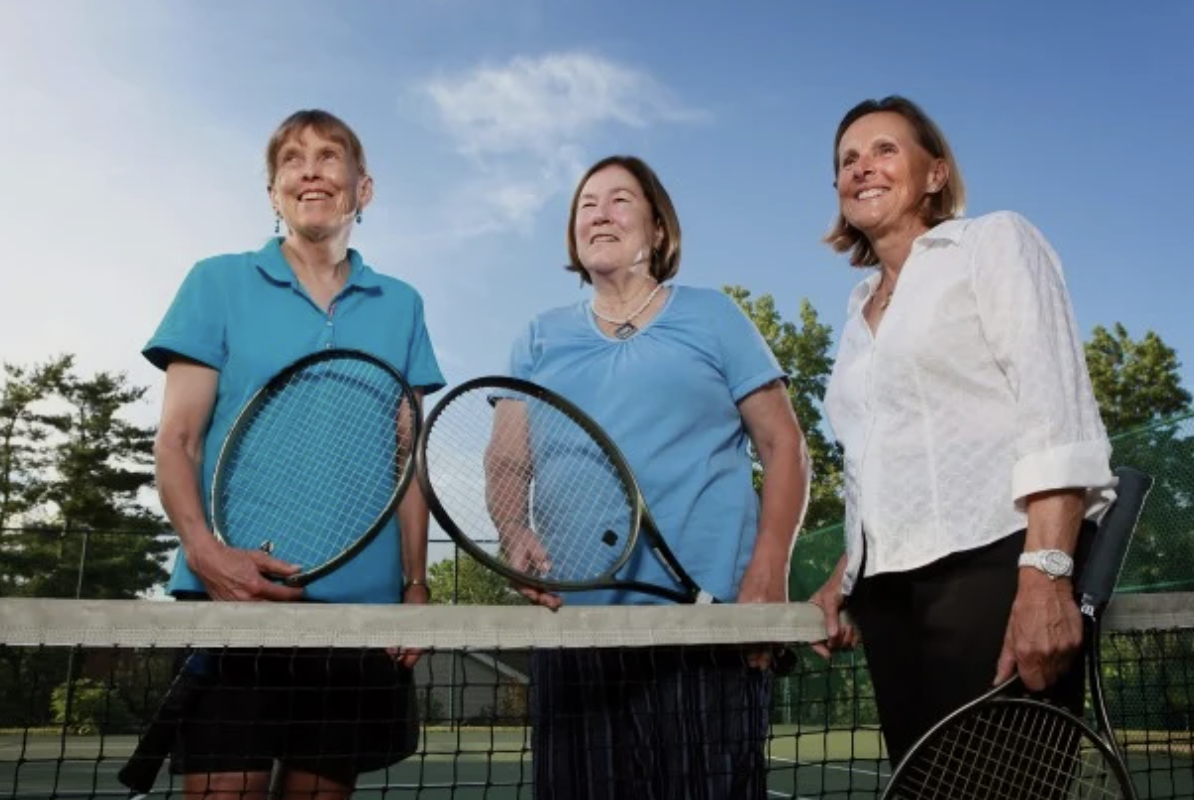
If Carol Hanks Aucamp was in one more Hall of Fames she'd have a set.
Maybe that's because she's always made history. At 18, she and Justina Bricka became the first two St. Louis women to play Wimbledon. By then, she'd been playing for a decade. She started at eight years old, like most St. Louis kids did, with Earl Buchholz. At 13, she won both the 13s and 15s age groups at the Missouri Valley Championships. Two years later, she beat Billie Jean King in the quarterfinals of the National 15s, then reached the finals of the National 18s a few weeks after that.
She won the Intercollegiate Doubles Championship with partner Linda Yeoman, while at Stanford. Then came home and played on Washington University's men's team. She finished with a record of 19-5 and helped them beat Notre Dame, Vanderbilt, and a string of Big Ten programs along the way.
She captured the US Indoor Singles, reached the semis at Forest Hills, won nine US Titles, and played Wimbledon three more times. Oh, and she and Justina Bricka won the National clay-court doubles title beating Billie Jean King and Karen Hantze Susman.
She married Don Aucamp at 21, a week before reaching the U.S. championship semifinals, and soon after, stopped touring internationally. It was thought that a woman's game fell apart somewhere past 25.
She stuck closer to home, winning the Mid-Atlantic States Championship. Then in 1976, Carol and Bill Heinbecker won the Kodel Cup and an invitation to the U.S. Open mixed doubles draw.
But perhaps the one thing she's most proud of had nothing to do with winning. In 1963, Carol and Arthur Ashe broke Wimbledon's all-white rule for mixed doubles. To Carol, it didn't feel like a civil rights statement. She was just happy to play with her friend from the Armory. At the time, it hadn't registered as anything more than another match. It wasn't until decades later that a pastor told her how it looked from the outside: that she'd been part of something bigger than sport. "We were just playing," she said. She'd been too busy with her career and new marriage to notice she was making history.
(1990)
CAROL AUCAMP