To understand the impact Jack had on tennis, you have to understand the impact sports had on Jack.
As a highschooler, he was a clubhouse boy, running errands for the old Flyers hockey team and the Bombers basketball team at the Arena on Oakland Avenue. He didn't care much for school. His real education was being surrounded by sports.
When he was seventeen, he was signed by the Cleveland Indians organization. He was a shortstop good enough to take the field with Rocky Colavito and Herb Score, good enough to train alongside Roger Maris. But then he got drafted and spent two years playing baseball for the Army during the Korean War. He came home and picked up where he left off, until he wrecked his shoulder on a play at second base, and that was that.
His shoulder was finished. His heart was not. Cleveland offered him a job in the organization, but living in St. Louis mattered more to him. He met a PR guy in Cleveland named Marty Blake, who brought him into the St. Louis Hawks front office. One night, in the middle of a game, Blake told Jack to take over the PA. He proceeded to announce for twelve years, including a 1958 championship season he'd later call one of the most memorable stretches of his life.
Jack, Blake, and owner Ben Kerner ran the whole front office as a three-man team. Jack started putting tennis exhibitions on the basketball floor after Sunday games, taping down the lines himself so Butch Buchholz could play Rod Laver like they were at Wimbledon.
When the Hawks left for Atlanta, Jack, once again, decided to stay home. As a favor, he did the PA for both the Blues and the Spirits of St. Louis. Because, if there was a game being played in this city, Jack wanted to be part of it. From 1978 to 1983, he brought Kansas City Kings games to the Arena and tried twice to bring the NBA back to St. Louis for good, but couldn’t get the city’s support. That was the only time St. Louis let him down.
He scouted for NBA teams for thirty-four years while running a credit company, data business, marketing firm, and pet store. Ask most people what they do and you'll get their job title. Ask Jack, and you’d hear about a game he brought to town, like Braggin' Rights, the Missouri-Illinois series he talked Norm Stewart into playing, arguing you can't recruit in a city you won't play in. It's still played every Christmas week. Eventually, even Jack couldn't get a ticket.
When tennis was booming and his kids were playing, Jack noticed St. Louis didn't have anywhere to find local scores or schedules. So, he decided to publish the Tennis Press, a monthly newspaper covering pro and amateur racket sports across the city. "We never won a Pulitzer," Jack said, "but we once had the courage to put racquetball on the cover."
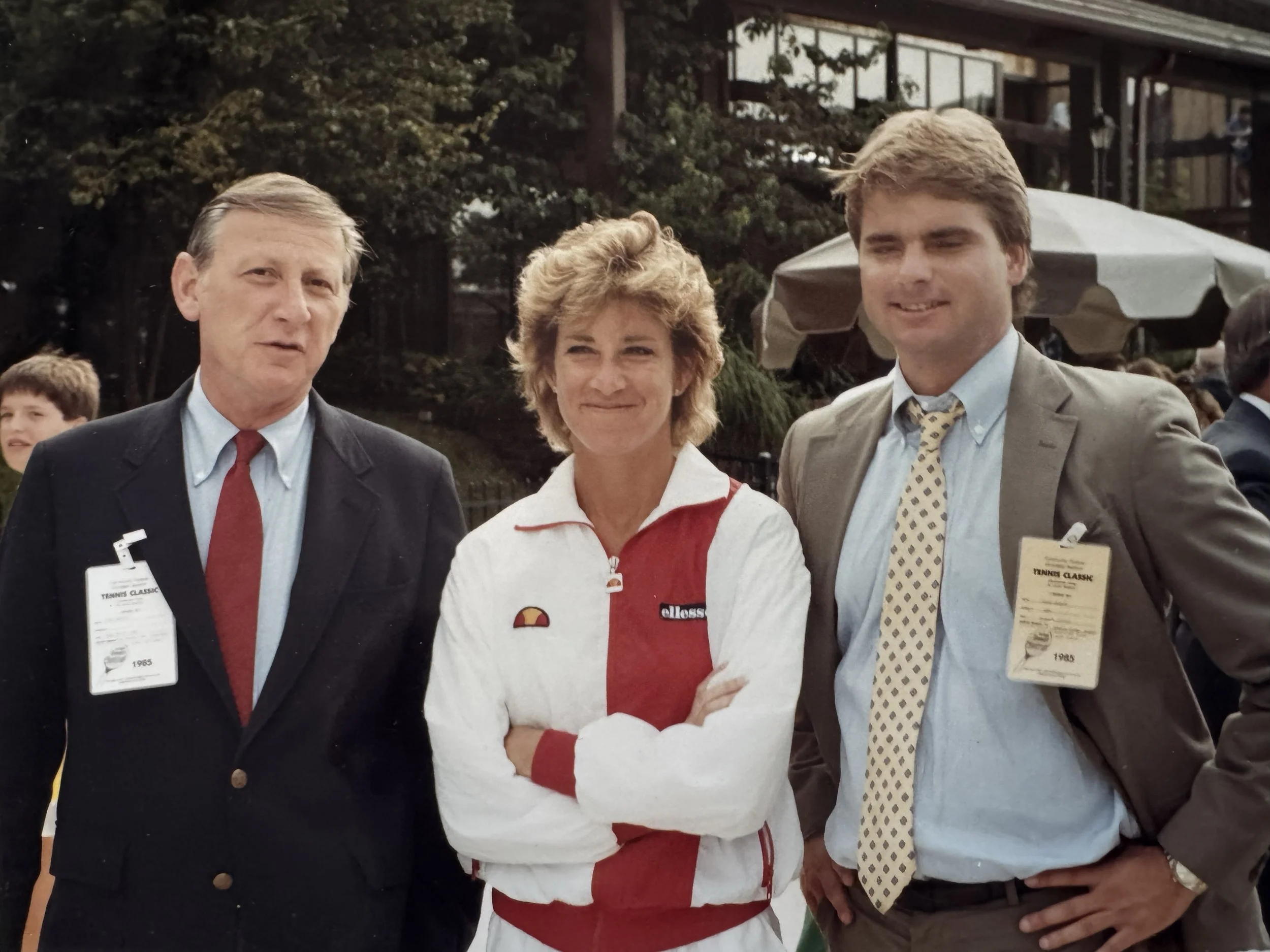
Tennis is how Jack brought the best in the world through St. Louis, starting with the St. Louis Tennis Festival in the summer of 1985. Chris Evert beat Hana Mandlikova in the final, coming back from 2-5 in the first set to win 7-6, 6-4. But Jack wasn’t there. His son was getting married that night. "I missed the comeback of the decade," he said. "But I did see the perfect match."
That fall, the Seiko Super Tennis event at Kiel Auditorium brought Jimmy Connors and Brad Gilbert to town, the same week the Cardinals were battling the Mets for the pennant, the famous Pond Scum series. Attendance took a hit, and so did Gilbert. Connors beat him 6-4, 6-3.
World Team Tennis started with Tom O'Neal grumbling to the right person. He noticed St. Louis had plenty of kids playing the game and nowhere to watch the pros. Jack told him to quit complaining and do something about it. So they did.
Sponsorship sales went nowhere until Jack landed a meeting with the president of United Van Lines, who he knew was a former farmhand for the Pittsburgh Pirates. Jack had him talking baseball for two hours and then sold him three years of sponsorship to get the franchise off the ground. Even with a bad arm, he still could pitch.
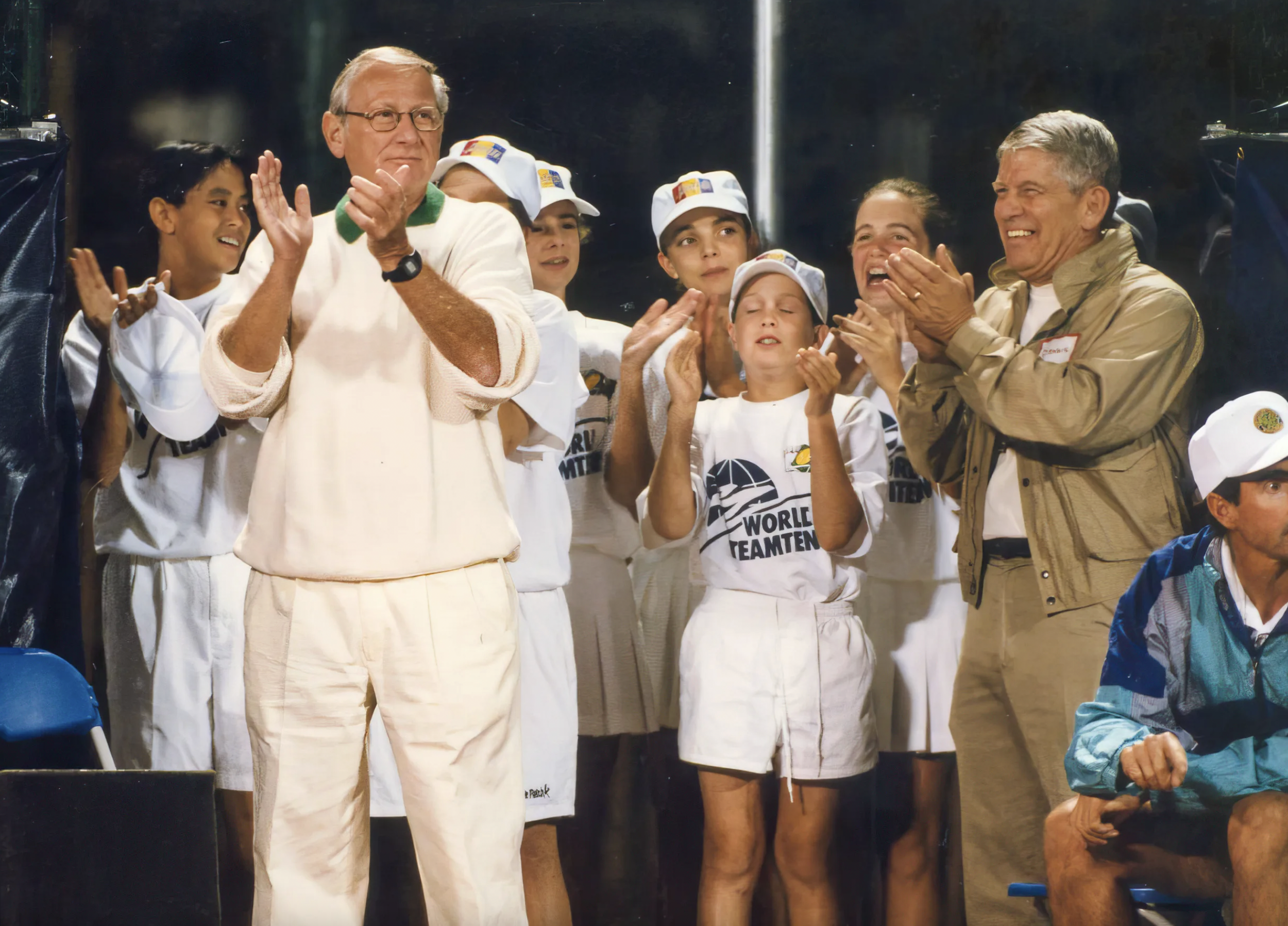
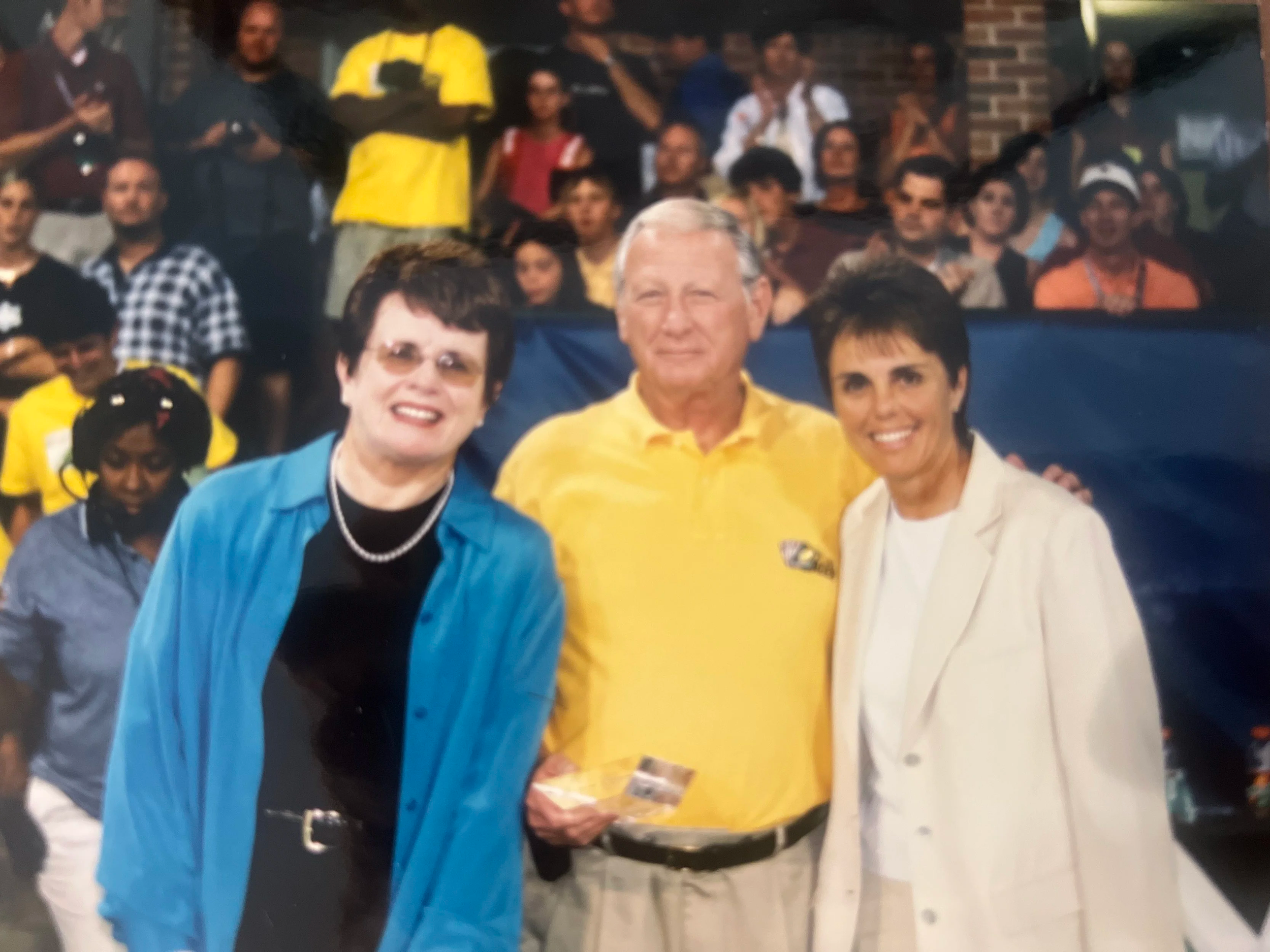
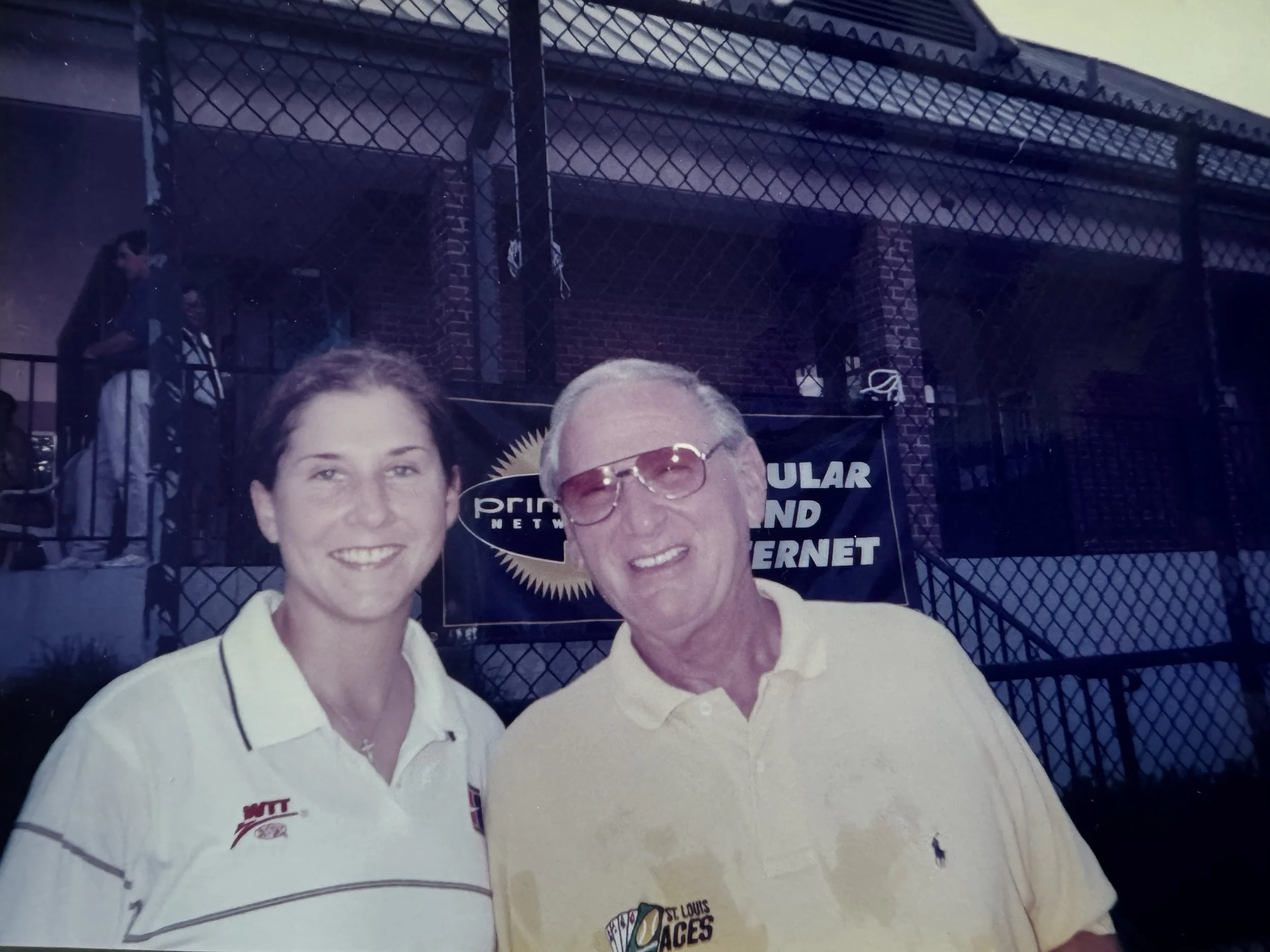
Jack ran the Aces for twelve years and beat Billie Jean King's Delaware Smash for the WTT championship in 1996. The players loved him. The linesmen, not so much. McEnroe, Navratilova, Seles, Rafter, Kournikova, a teenage Sharapova, they all played here. The Jensen brothers rode up to the baseline on Harleys. When Roddick served, the ball kids wore catcher's masks. Fans heckled and hollered so loud that the Muny asked them to keep it down.
One night, after Venus led the team to a narrow win in Kansas City, they picked up Popeye's and brought it back to the hotel lobby. Surrounded by plates of fried chicken, her father called to check in. "Daddy, we won," she said. She had only ever said "I won." She told Jack it was the most fun she'd ever had playing tennis. "I told her," Jack said, "it was the most fun I'd ever had eating fast food in a hotel lobby in Kansas City."
For Jack, the score always came second to the players. It was a very close second, and if he wasn’t so opposed to ending in a tie, they would probably tie. His competitor-turned-friend Billie Jean King once said Jack was “…one of the smartest and hardest-working people [she'd] ever met…a man whose love and passion for family, baseball, and tennis was extraordinary.” And who would argue with Billie? Besides Jack.
(2019)
JACK LEVITT